Managing Household Water Supply from a Private Well
A drilled borehole that passes its water quality tests is only the beginning. The system that delivers water reliably through dry summers, power outages, and peak morning demand is the result of correctly matched pump, pressure tank, and storage components — each sized to the specific yield and demand of the property.
Understanding Borehole Yield and Daily Demand
The safe yield of a borehole — the sustainable rate at which water can be extracted without permanently lowering the water table — is established during the step-drawdown and long-term pump tests conducted after drilling. For residential use in the Czech Republic, the relevant figure is specific capacity (m³/h per metre of drawdown), which the drilling contractor reports in the technical completion record (technická zpráva vrtu).
Czech household water consumption benchmarks, based on SOVAK data:
- Average national consumption: 89 litres per person per day (2023 figures)
- Rural private well households: typically 120–180 litres per person per day due to garden irrigation and livestock water
- Peak daily demand factor: 1.8–2.2× the average daily demand for a four-person household
A four-person household with 150 l/person/day average consumption requires 600 litres/day on average and up to 1,300 litres on a peak day. A borehole with a specific capacity of 0.3 m³/h can deliver approximately 7.2 m³/day at continuous pumping — more than adequate for daily needs, but peak-hour demand management becomes important.
Submersible Pump Selection
Submersible pumps used in Czech residential boreholes are sized by two parameters: flow rate (Q, in m³/h) and total dynamic head (TDH, in metres).
TDH is calculated as the sum of: static water level depth + anticipated drawdown at pumping rate + vertical lift to the highest point in the building + friction losses in the rising main. For a 40 m borehole with 10 m drawdown, delivering water to a roof tank 8 m above ground through 60 m of 1" HDPE pipe, TDH is approximately 65–70 m.
Czech homeowners typically encounter two pump configurations:
Fixed-speed pump with pressure tank
The traditional configuration. A pressure tank (hydropneumatic vessel) pre-charged with air absorbs pressure fluctuations and reduces pump cycling frequency. The pump switches on when system pressure drops to the cut-in pressure (typically 1.5–2.0 bar) and off when the cut-out pressure is reached (3.5–5.0 bar). A 100-litre pressure tank provides approximately 30–40 litres of usable draw-down volume between cycles at these settings.
Variable-frequency drive (VFD) pump
Increasingly common in Czech installations since 2018. An inverter adjusts motor speed to match demand, maintaining constant pressure (typically 3.0–3.5 bar) at varying flow rates. VFD systems eliminate water hammer, reduce electricity consumption by 25–40% versus fixed-speed equivalents, and extend pump motor life by reducing start-stop cycles. Capital cost is 30–50% higher than fixed-speed equivalents.
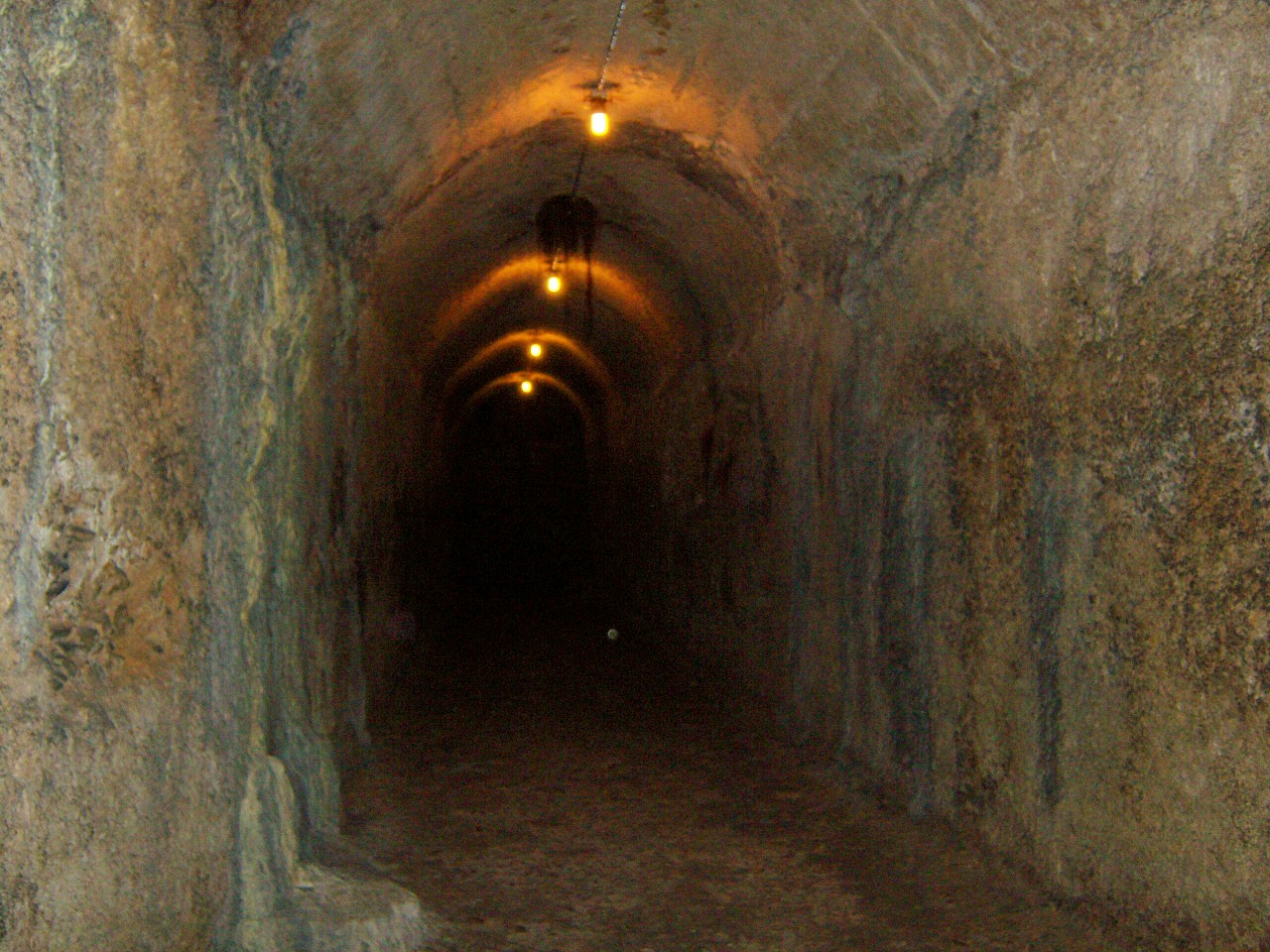
An underground cistern provides a buffer volume between borehole yield and household peak demand — particularly valuable in low-yield wells or during late-summer drawdown periods. (Wikimedia Commons / CC)
Seasonal Yield Variation in Czech Regions
Groundwater levels in most Czech shallow aquifers follow a seasonal pattern with a minimum typically in September–October after a dry summer. The drop in static water level between the winter maximum and late-summer minimum ranges from 0.5 m in deep sandstone aquifers to over 3 m in shallow weathered-crystalline-rock aquifers in the Bohemian Massif.
Properties in areas with pronounced seasonal variation — the Šumava foothills, parts of the Vysočina Highland, and the Elbe sandstone areas — benefit most from additional storage capacity. A cistern that accumulates water during high-yield spring months provides a buffer against late-summer shortfalls without requiring well deepening.
Czech Drought Monitor (Intersucho) provides publicly accessible groundwater level maps at 1 km resolution, updated weekly — a useful tool for anticipating deficit periods and planning irrigation schedules.
Pressure Tank Sizing and Placement
Undersized pressure tanks cause excessive pump cycling, which is the single most common cause of premature submersible pump failure in Czech private systems. The guideline for sizing:
- Minimum tank total volume: 10× the pump flow rate in litres per minute
- For a 1.2 m³/h (20 l/min) pump: 200-litre tank minimum
- Higher-cycling demand profiles (irrigation, livestock) warrant 300–500 litre tanks
Pressure tanks must be installed in a frost-free location — typically a utility room, basement, or insulated pump house. Czech standard ČSN 75 5115 covers the design of water supply systems from private wells and addresses pressure tank integration requirements.
Backup Power and Manual Pump Options
Electric power outages during storms — common in rural Czech locations with overhead distribution lines — interrupt submersible pump operation. Options for supply continuity:
- Roof or loft tank with gravity supply: A 500–1,000 litre polyethylene tank filled automatically during normal operation provides 2–3 days of basic household supply by gravity during an outage. Structural assessment of the building is required before installation.
- Generator connection: A 2–3 kW portable generator can power most residential submersible pumps (0.75–1.5 kW rating). A permanent transfer switch (přepínač sítě) prevents backfeed into the grid and is required by CEZ/E.ON/PREdistribuce network codes.
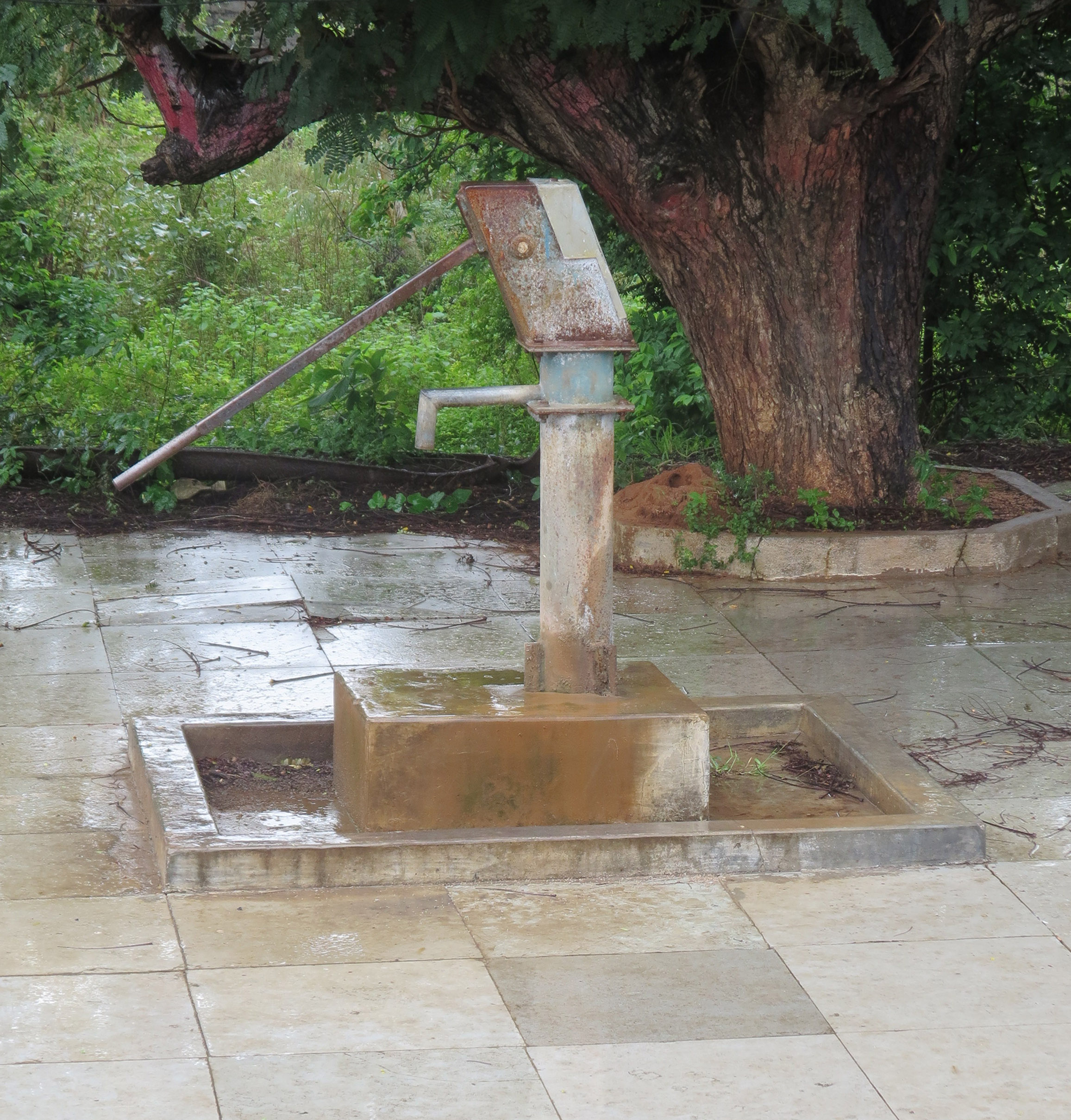
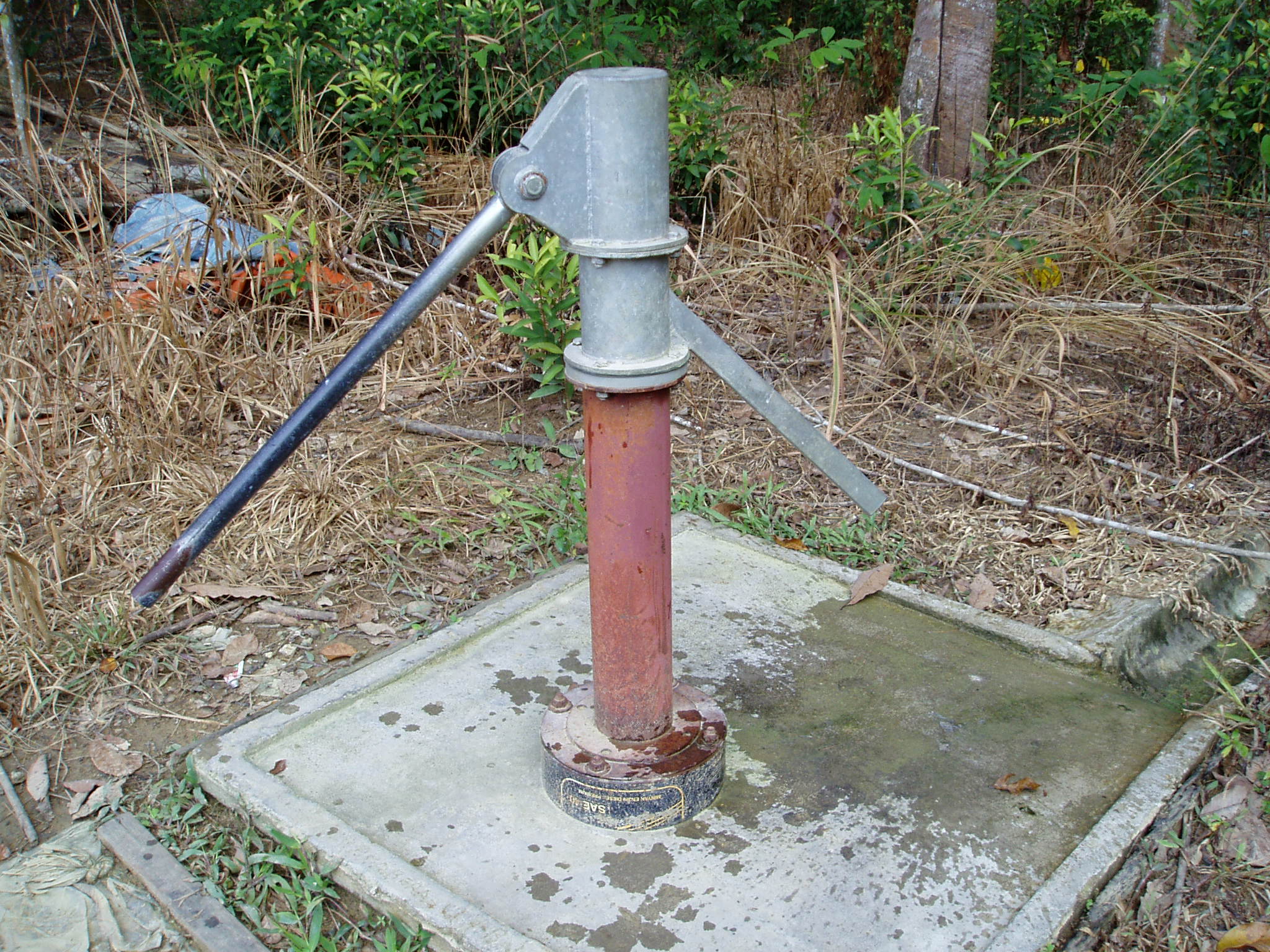
- Manual hand pump: A shallow-set hand pump (for wells under 8 m dynamic water level) provides non-electric access at approximately CZK 4,000–8,000 installed. Not suitable for boreholes deeper than 15 m without a purpose-designed deep-well hand pump.
Water Conservation in Private Well Systems
Unlike public supply users, private well owners bear the full cost of over-extraction: reduced well yield, accelerated pump wear, and potentially lower neighbouring property water tables. Practical conservation measures for Czech rural households:
- Separate garden irrigation from the borehole: rainwater collection from roof area into a 5,000–10,000 litre above-ground or buried tank, connected to garden hose points, reduces groundwater abstraction by 30–60% during the irrigation season.
- Toilet cistern: replacing 9-litre single-flush cisterns with dual-flush units (6/3 litre) saves approximately 20 m³ per person per year.
- Drip irrigation: subsurface drip at root level reduces vegetable garden water use by 40–60% compared to overhead sprinkler watering.
- Flow monitoring: a domestic water meter on the rising main — not a regulatory requirement for private wells but a straightforward installation — establishes a baseline and makes leak detection immediate rather than an end-of-year surprise on pump electricity bills.
Wellhead Protection and Cross-Contamination Prevention
The wellhead — the above-grade casing termination and pump chamber — is the most vulnerable point in a private water supply system. Common contamination pathways that can be addressed with basic maintenance:
- Cap seal failure: the concrete or steel cap over the borehole casing should be inspected annually. Cracks or subsidence allow surface water (and with it, nitrates, pesticides, and microorganisms) direct entry into the well column.
- Annular seal deterioration: the cement grout isolating the upper 3 m of the borehole annulus can crack after frost-thaw cycles. Periodic injection of bentonite slurry restores the seal without full borehole rehabilitation.
- Livestock access: if the borehole is within a farmyard, animal excreta directly on or adjacent to the wellhead creates a microbial contamination risk that irrigation or rainfall events translate into aquifer impact within weeks.
Related: How to Drill a Residential Well — from site assessment to the first water sample. Groundwater Treatment Methods — what to do when analysis reveals parameter exceedances.
External reference: Ministry of the Environment CZ — Water Act and groundwater abstraction regulations.